

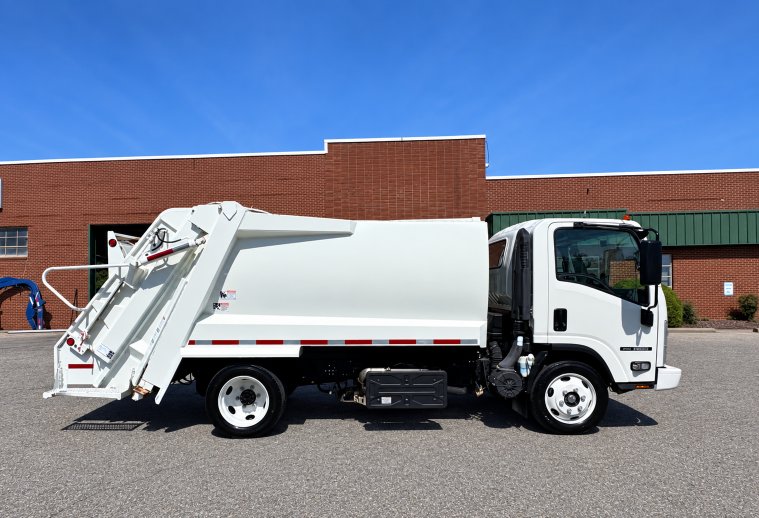
Waste collection is an essential service, but it also involves demanding working conditions. Refuse trucks operate around pedestrians, traffic, commercial loading areas, residential streets, and heavy containers. Operators must manage vehicle movement, lifting equipment, compactors, and other mechanical systems while remaining aware of their surroundings.
For fleet managers, safety is not separate from productivity. Incidents, equipment damage, and preventable breakdowns can interrupt service, increase costs, and put employees and members of the public at risk. McNeilus refuse trucks are designed for refuse collection applications, and selecting the right configuration, maintaining it properly, and training operators are important parts of safe fleet management.
Understanding Safety Requirements in Waste Collection
Waste collection routes can change from one stop to the next. A commercial property may have limited maneuvering space, while a busy road can introduce moving traffic and pedestrians. Containers may be positioned near parked vehicles, building entrances, overhead lines, or other obstacles.
These conditions require operators to follow established safety procedures. Drivers should assess the area before positioning a truck, use designated operating controls correctly, and avoid lifting containers when people are in unsafe locations. They should also understand the truck’s visibility limitations and follow workplace rules for backing, parking, and communicating with ground personnel.
Training should cover the vehicle’s operating instructions, safety warnings, emergency procedures, and the correct use of installed equipment. Employees should never bypass safety systems or attempt repairs without appropriate training and authorization.
Choosing the Right Truck for the Application
Different refuse truck configurations are designed for different collection methods. Front loaders commonly serve commercial routes where compatible containers can be lifted from the front. Rear loaders and side loaders may be more suitable for other types of collection, depending on the container design, route layout, and operating procedure.
A McNeilus front loader should be selected according to the fleet’s container requirements, expected loads, operating environment, and service objectives. McNeilus offers front loader models such as the Atlantic Series and Meridian, with design differences intended to meet varying operational needs.
Fleet managers should verify lifting capacity, vehicle dimensions, payload limits, and any relevant optional equipment before purchase. A truck that matches the route can help operators work more predictably, while an unsuitable configuration may introduce unnecessary maneuvering or loading challenges.
Design Features That Support Safe Operation
A refuse truck’s design can influence how easily operators and technicians access controls and service components. Depending on the model and configuration, features such as improved component access, diagnostic systems, and well-organized hydraulic and electrical layouts may support maintenance and troubleshooting.
Some McNeilus front loader configurations offer optional in-cab diagnostics. Such systems can help technicians investigate certain faults, although they do not replace physical inspections, operator judgment, or qualified repairs.
Fleet managers should review the exact specifications of the vehicle they intend to purchase. Features can differ between models and options, so safety-related equipment should be confirmed with the supplier rather than assumed to be standard across every truck.
Safe Use of Lifting and Hydraulic Systems
Front loader refuse trucks use mechanical and hydraulic systems to lift containers and move refuse into the body. These systems must be operated according to the manufacturer’s instructions and within specified limits.
Before beginning collection, operators should inspect the truck for visible leaks, damaged components, unusual noises, and other warning signs. Any concern that may affect safe operation should be reported and assessed by qualified personnel.
Containers must be compatible with the lifting equipment and positioned correctly. Operators should avoid attempting to lift containers that appear damaged, overloaded, unstable, or unsuitable for the vehicle. They must also keep people clear of moving equipment and follow the required operating sequence.
Hydraulic systems can retain pressure even when equipment is not moving. Repairs should therefore be performed only by trained personnel following the correct isolation and safety procedures. Improvised repairs can create serious hazards and damage expensive components.
Preventive Maintenance and Safety Inspections
Maintenance plays a major role in keeping refuse trucks safe. Brakes, tires, steering, suspension, lights, mirrors, alarms, hydraulic lines, lifting components, and electrical systems all require appropriate inspection and service.
A daily inspection routine gives drivers an opportunity to identify visible problems before beginning a route. Scheduled maintenance should then follow manufacturer recommendations, applicable regulations, and the vehicle’s actual working conditions.
Inspection records should document defects, corrective actions, service dates, and repeated problems. If an issue affects safe operation, the truck should not be returned to service until it has been evaluated and cleared according to the fleet’s procedures.
Maintenance teams should also check that safety labels and operating instructions remain readable. Employees need to understand the warnings displayed on the equipment and know where to find the appropriate operating manual.
Operator Training and Communication
Even a well-designed vehicle depends on the people operating and maintaining it. Drivers need practical training on controls, loading procedures, visibility, safe positioning, and responses to abnormal conditions. Ground personnel should understand their responsibilities and maintain communication with the driver.
Training should be specific to the vehicle and its equipment. Employees moving to a different model may encounter different controls, lifting arrangements, or operating procedures. Supervisors should verify that operators are familiar with the equipment before assigning them to independent routes.
A strong safety culture also encourages employees to report hazards without delay. If a container is positioned unsafely, a site is obstructed, or a truck develops a mechanical concern, the issue should be communicated and addressed rather than ignored to save time.
How Ten-8 Industrial Supports Fleet Maintenance
Safety and reliability depend partly on access to suitable parts, diagnostics, and repair support. When a refuse truck requires attention, fleet managers need a practical way to identify the issue and arrange qualified service.
Ten-8 Industrial offers service resources for McNeilus refuse trucks, including refuse body diagnostics and repair, hydraulic system support, and mobile service capabilities. These resources can help operators address equipment concerns and plan maintenance for their fleets.
Managers should establish service arrangements before urgent problems arise. They should also keep accurate vehicle identification and maintenance information available, helping technicians understand the truck’s configuration and repair history.
Operational Benefits of a Safety-Focused Approach
A well-managed safety program can help reduce avoidable incidents, protect employees, and limit equipment damage. Consistent inspections can identify maintenance needs earlier, while training can help operators follow standard procedures and respond appropriately to changing conditions.
Safety also supports more dependable service. A truck that is inspected, maintained, and operated correctly is better positioned to complete its assigned work without preventable interruptions. These benefits depend on the entire operation, including equipment selection, route planning, supervision, and maintenance.
Conclusion
McNeilus refuse trucks can support demanding collection operations when the equipment is properly selected, maintained, and operated. Fleet managers should evaluate the features of each configuration, provide model-specific training, and establish clear inspection and repair procedures.
By making safety part of everyday fleet management and using service resources such as those offered by Ten-8 Industrial, waste collection companies can protect their teams while working toward dependable operational performance.